Plywood Products

Plywood Manufacturer & Supplier in China

Galaxi supplies plywood for furniture, interiors, construction and commercial distribution, with flexible core, veneer, thickness and bonding options for different market needs.

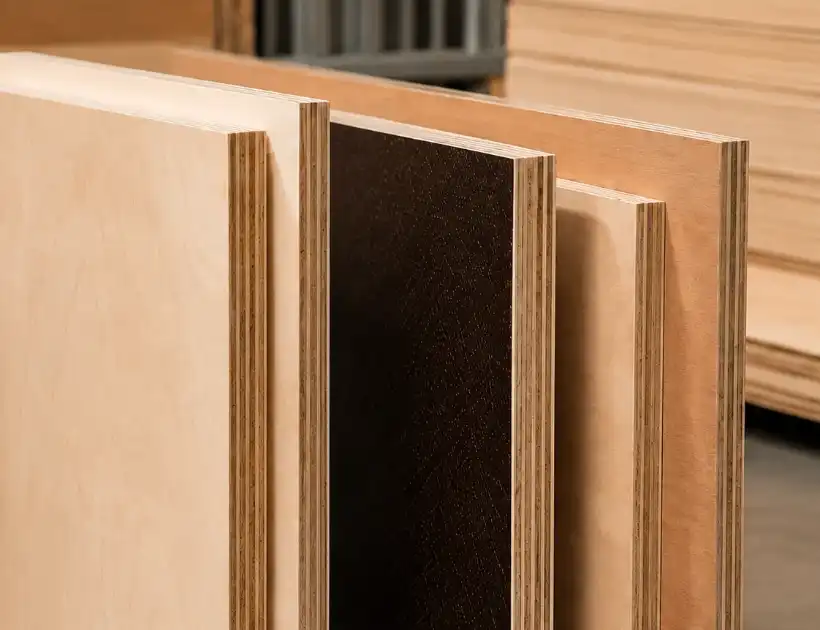
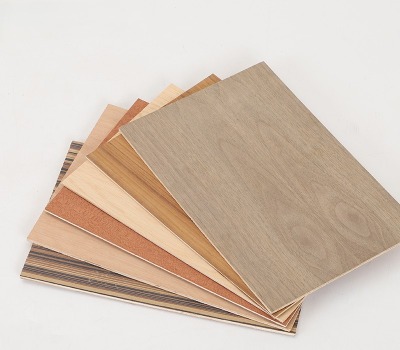
Plywood panels supplied by Galaxi for furniture construction and commercial applications
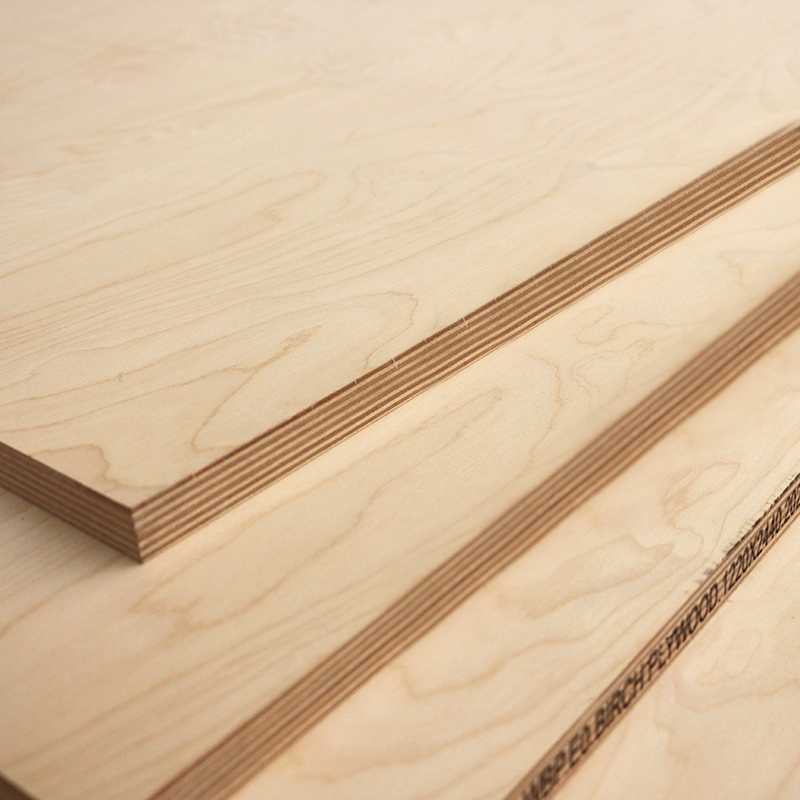
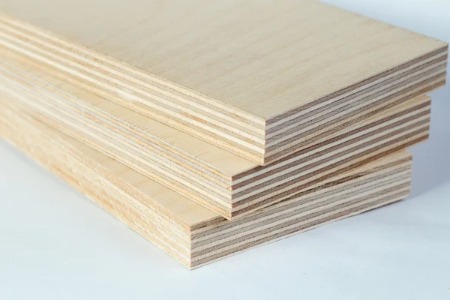
Finished plywood panels showing natural veneer surface and layered core
Plywood panels showing layered core construction and panel thickness
Finished plywood products with different veneer and surface options
Technical Overview

Plywood Specifications at a Glance

Typical plywood specifications can be adjusted according to product type, target market and application requirements. Core material, face veneer, bonding system, dimensions and surface finish vary by plywood category.

Panel Size
1220 × 2440 mm / 1250 × 2500 mm / custom sizes available
Thickness
2.7 mm to 30 mm, depending on plywood type and application
Core
Poplar / Eucalyptus / Combi / Birch and other available core options
Face / Back
Okoume / Bintangor / Pine / Birch / Poplar / decorative veneer
Bonding
Interior / moisture-resistant / exterior-use bonding options
Grade
Commercial / furniture / decorative / construction grades
Surface
Raw / sanded / veneer-faced / film-faced / decorative surface options
Applications
Furniture / cabinetry / interior use / construction / packaging

* Final specifications are confirmed according to plywood category, order requirements and intended application.

Core Materials

Plywood Core Options

The plywood core affects panel weight, strength, rigidity, dimensional stability and machining performance. Different core constructions can be selected according to the intended application, performance requirement and purchasing target.

Poplar Core

Poplar core plywood cross section showing veneer layers

Lightweight & Easy to Process

Poplar provides a relatively lightweight plywood construction with good workability. It is suitable where panel weight, machining convenience and commercial cost control are important.

Common Applications

Furniture, cabinetry, interiors and general commercial plywood.

Combi Core

Combi core plywood cross section with mixed veneer construction

Balanced Construction

Combi plywood combines different veneer species within the core. The structure can be adjusted to balance panel weight, rigidity, stability and purchasing cost.

Common Applications

Furniture, distribution and commercial orders requiring balanced performance and cost.

Birch Core

Birch core plywood cross section showing dense veneer layers

Dense & Uniform Structure

Birch veneers create a dense multi-layer structure suitable for plywood requiring good consistency, edge quality and machining performance under more demanding applications.

Common Applications

Cabinetry, furniture and applications requiring a stronger and more uniform plywood structure.

Surface Veneers

Face & Back Veneer Options

Different face and back veneers are available to meet varying appearance, finishing and plywood application requirements.

Okoume veneer surface for plywood

Okoume Veneer

Smooth surface with a warm natural tone and relatively even grain.

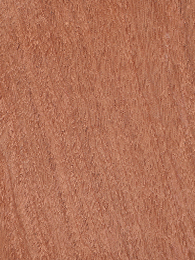
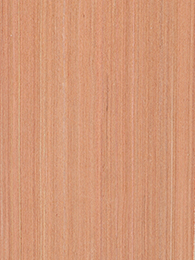
Bintangor veneer surface for plywood

Bintangor Veneer

Warm reddish tone with visible natural wood grain.

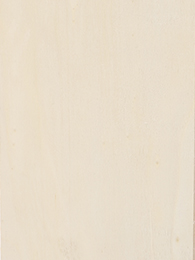
Pine veneer surface for plywood

Pine Veneer

Light-colored veneer with recognizable natural grain patterns.

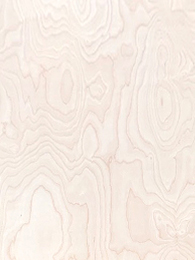
Birch veneer surface for plywood

Birch Veneer

Light and fine-grained veneer with a clean, uniform appearance.

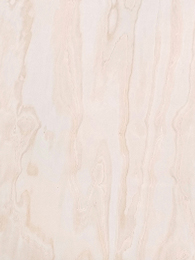
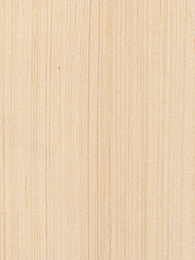
Bleached poplar veneer surface for plywood

Bleached Poplar Veneer

Pale, clean-looking veneer with a more uniform light-colored surface.

Sapele veneer surface for plywood

Sapele Veneer

Rich reddish-brown veneer with distinctive natural grain and visual depth.

Engineered wood veneer surface for plywood

Engineered Veneer

Reconstructed wood veneer offering more consistent grain, tone and surface appearance.

EV red engineered veneer surface for plywood

EV Red Veneer

Engineered red-tone veneer with controlled color and a consistent decorative grain.

Panel Structure

Bonding & Panel Construction

Plywood performance depends on how the veneers are arranged, bonded and pressed together. Panel construction can be adjusted according to the intended application and performance requirement.

Plywood veneer layers and panel construction detail

Cross-Grain Veneer Layup

Veneer layers are arranged with alternating grain directions to create a more balanced and stable plywood structure.

Bonding System

Bonding is selected according to the plywood type, intended use and required level of moisture resistance.

Pressing & Assembly

Pre-pressing and hot pressing consolidate the veneer layup and bonding system into a stable finished panel.

Thickness & Surface Finishing

Trimming, sanding and thickness control are applied according to the plywood specification and required finish.

Construction details vary by plywood category, specification and final application.

Application Guide

Choose Plywood by Application

Different plywood constructions are suited to different end uses. Core structure, veneer, bonding and surface requirements can be selected according to the application.

Furniture & Cabinetry

For furniture and cabinets where surface quality, machining and dimensional stability are important.

Interior Decoration

For wall panels, joinery and interiors where appearance and finishing quality matter.

Concrete Formwork

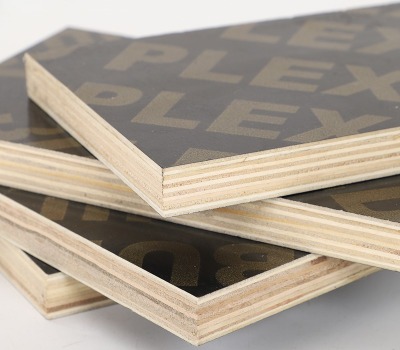
Film-faced plywood for concrete forming where bonding, strength and surface durability matter.

Packaging

For crates and transport packaging where panel weight, strength and cost need to stay balanced.

General Construction

For building applications where thickness, core structure and bonding match the intended use.

Plywood Products

Explore Our Plywood Range

Explore our main plywood categories for furniture, construction, decorative applications and commercial supply requirements.

Manufacturing Process

From Veneer to Finished Plywood

Plywood production requires controlled veneer preparation, bonding, assembly and pressing. Each stage contributes to the structure, stability and finished quality of the panel.

01

Veneer Preparation

Veneers are prepared and sorted according to the required plywood construction.

02

Veneer Drying

Veneer moisture is controlled before bonding and panel assembly.

03

Glue Application

Adhesive is applied according to the plywood type and bonding requirement.

04

Lay-up & Assembly

Veneer layers are arranged in the required sequence and alternating grain direction.

05

Pre-Pressing

The assembled veneer layup is pre-pressed to improve stability before hot pressing.

06

Hot Pressing

Controlled heat and pressure consolidate the veneer layers into a bonded panel.

07

Trimming & Sanding

Finished panels are trimmed, calibrated and sanded according to specification.

Production details may vary according to plywood type, surface finish and final order specification.

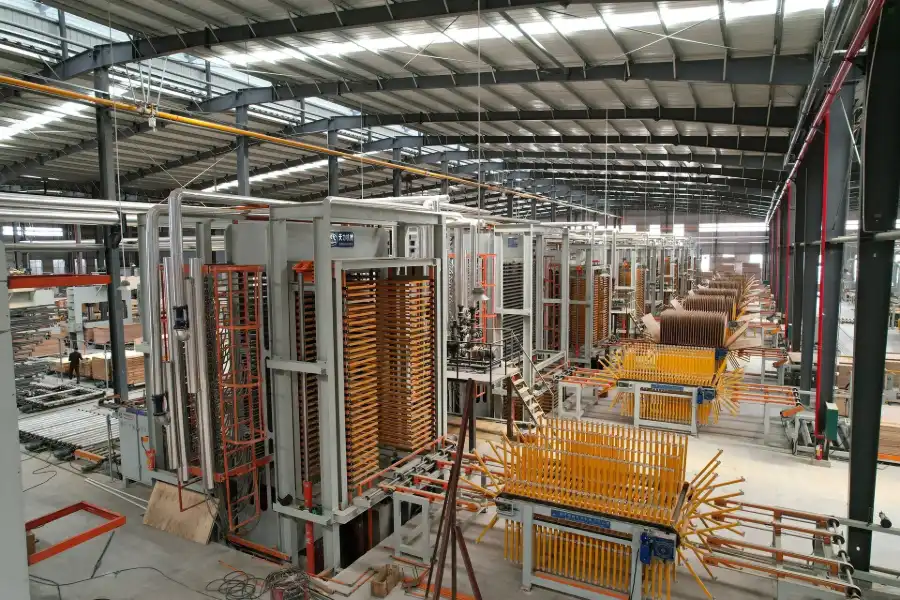
Plywood manufacturing process and production facilities

See more of our wood panel manufacturing facilities and production resources.

View Our Factory
Buyer Questions

Plywood Frequently Asked Questions

Plywood specifications that look similar on a quotation can differ substantially in core construction, veneer quality, bonding, thickness control and finished panel performance. The following questions cover the points buyers usually need to clarify before confirming a plywood order.

Which plywood core should I choose: poplar, combi or birch?

The right core depends on the required balance between panel weight, strength, machining performance and budget. Poplar core plywood is relatively lightweight and practical for many furniture and commercial applications.

Combi core plywood combines different veneer species to balance rigidity, stability and cost, while birch core plywood is generally selected where a denser multi-layer structure, cleaner edges and more demanding machining are important. Final selection should follow the finished product rather than the core name alone.

Why can two plywood quotations for the same size and thickness be very different?

Size and thickness describe only part of a plywood specification. Price can also be affected by core veneer quality, core composition, face and back veneer, bonding requirement, panel calibration, surface grade and emission requirement.

Two sheets marked 18 mm may therefore be designed for completely different applications. A commercial furniture panel, a decorative panel and a plywood product intended for demanding processing should not be compared only by thickness and price per sheet.

Does more plywood plies always mean better quality?

Not necessarily. Ply count can influence panel structure, but a higher number of layers does not automatically guarantee better plywood.

Veneer thickness, veneer quality, core gaps, moisture condition, cross-grain layup, bonding and pressing quality are also important. A properly manufactured panel with suitable veneer construction can perform better than a higher-ply panel made from inconsistent or poorly assembled veneers.

How should I choose the face and back veneer for plywood?

Face veneer should be selected according to the final appearance, finishing method and target cost. Different options such as okoume, bintangor, pine, birch, bleached poplar, sapele and engineered veneer can create very different visual and processing characteristics.

For plywood that will be painted or laminated, surface consistency may be more important than natural grain appearance. For visible furniture surfaces, veneer color, grain and grading normally become more important. The back veneer can also be specified separately when the two sides have different requirements.

Which plywood bonding option should I choose for dry or humid conditions?

Bonding should be selected according to the environment in which the finished plywood will be used. Furniture and normal dry interior applications generally have different bonding requirements from panels exposed to higher humidity or construction conditions.

Terms such as interior bonding, moisture-resistant bonding and exterior-use bonding are more useful when matched to the actual application and required performance standard. “WBP” should not be treated as the name of one specific adhesive chemistry; the required bonding performance should be clarified together with the plywood application.

What causes plywood thickness variation, warping or uneven panels?

Panel stability is influenced by several production factors, including veneer moisture, veneer thickness, cross-grain layup, pressing conditions, sanding and storage after production.

Good control of the veneer structure and pressing process helps maintain more consistent thickness and panel flatness. Buyers using plywood for CNC processing, furniture assembly or lamination should specify tighter thickness and flatness expectations when those factors directly affect production.

Can plywood be supplied for different emission requirements and export markets?

Yes. Plywood specifications can be configured according to the emission requirements of different destination markets and finished-product applications.

The destination country and required emission level should be provided when requesting a quotation. This allows the bonding system and production specification to be matched to the order from the beginning instead of treating emission requirements as a separate issue after production has already been arranged.

What information should I provide when requesting a plywood quotation?

A useful plywood inquiry should include more than dimensions and quantity. Providing the final application makes it much easier to determine the appropriate construction and avoid comparing unsuitable specifications.

Buyers can provide panel size, thickness, core type, face and back veneer, bonding requirement, surface grade, destination market, application, packing requirement and estimated quantity. If the complete specification is not yet available, the intended use and target market are usually the best starting points.