
MDF Board

MDF Board Manufacturer & Supplier in China

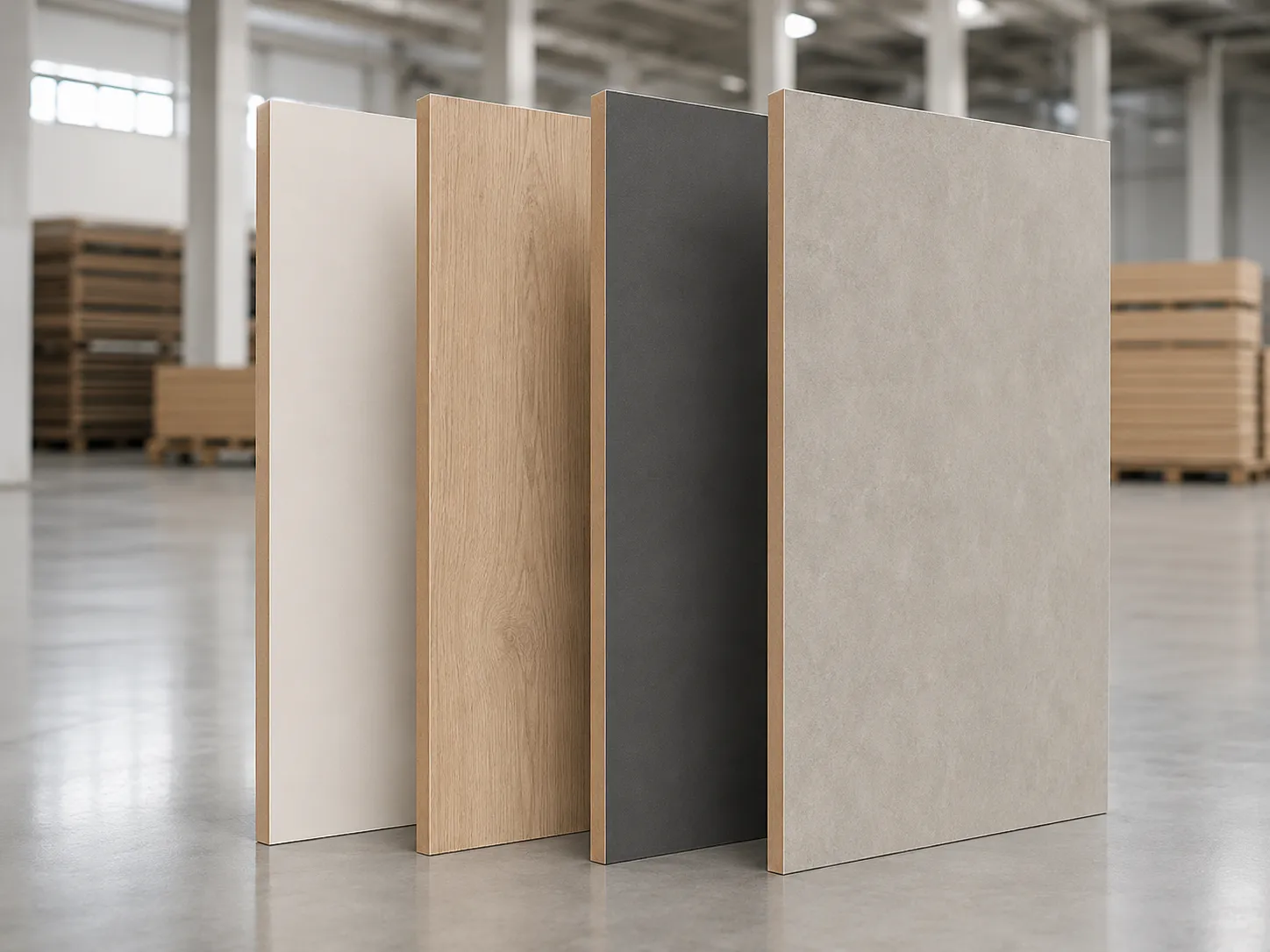
Galaxi supplies MDF boards for furniture, cabinetry, interior decoration and commercial manufacturing. Thickness, density, surface finish and performance grades can be configured for different processing, application and market requirements.

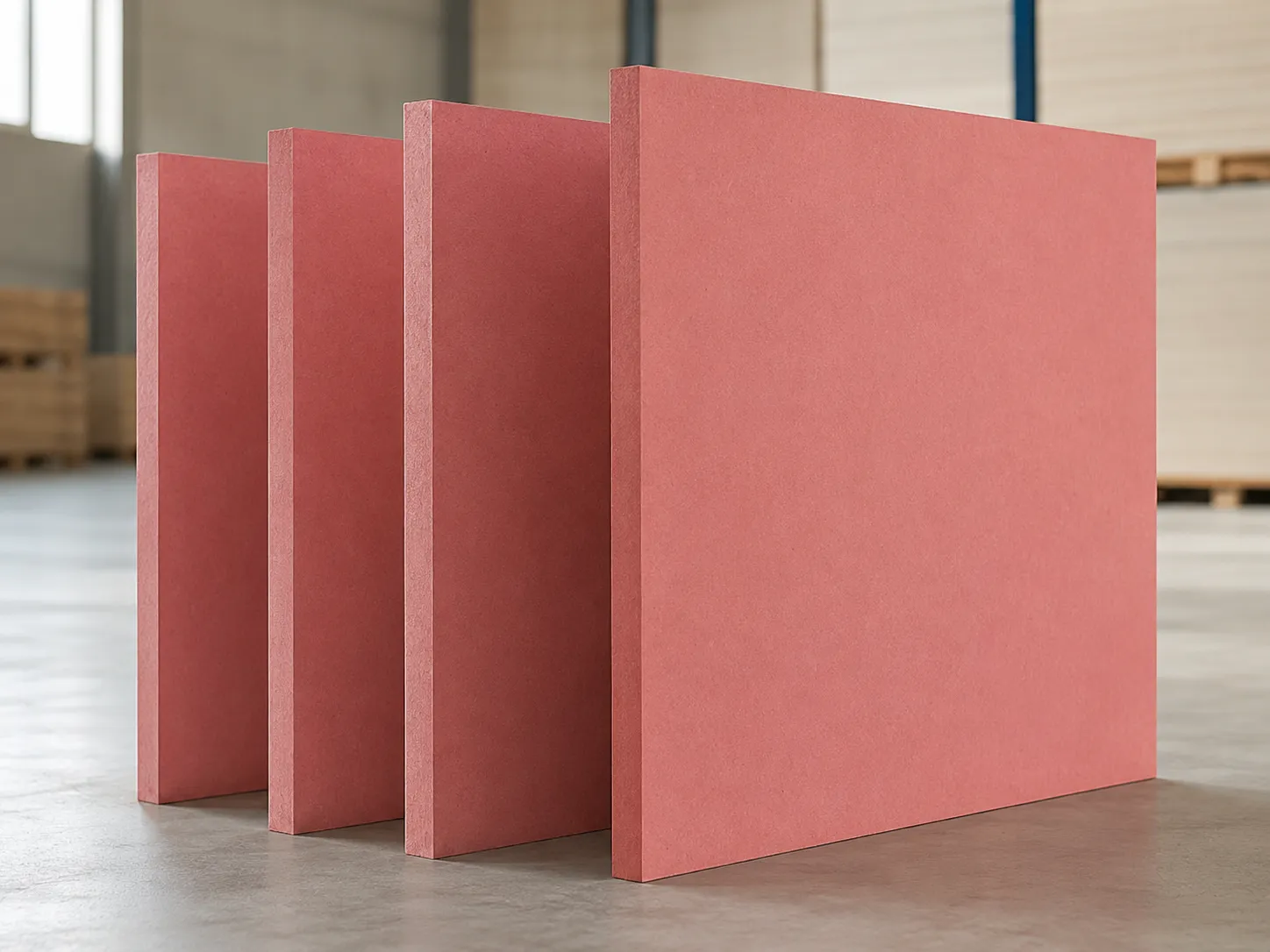
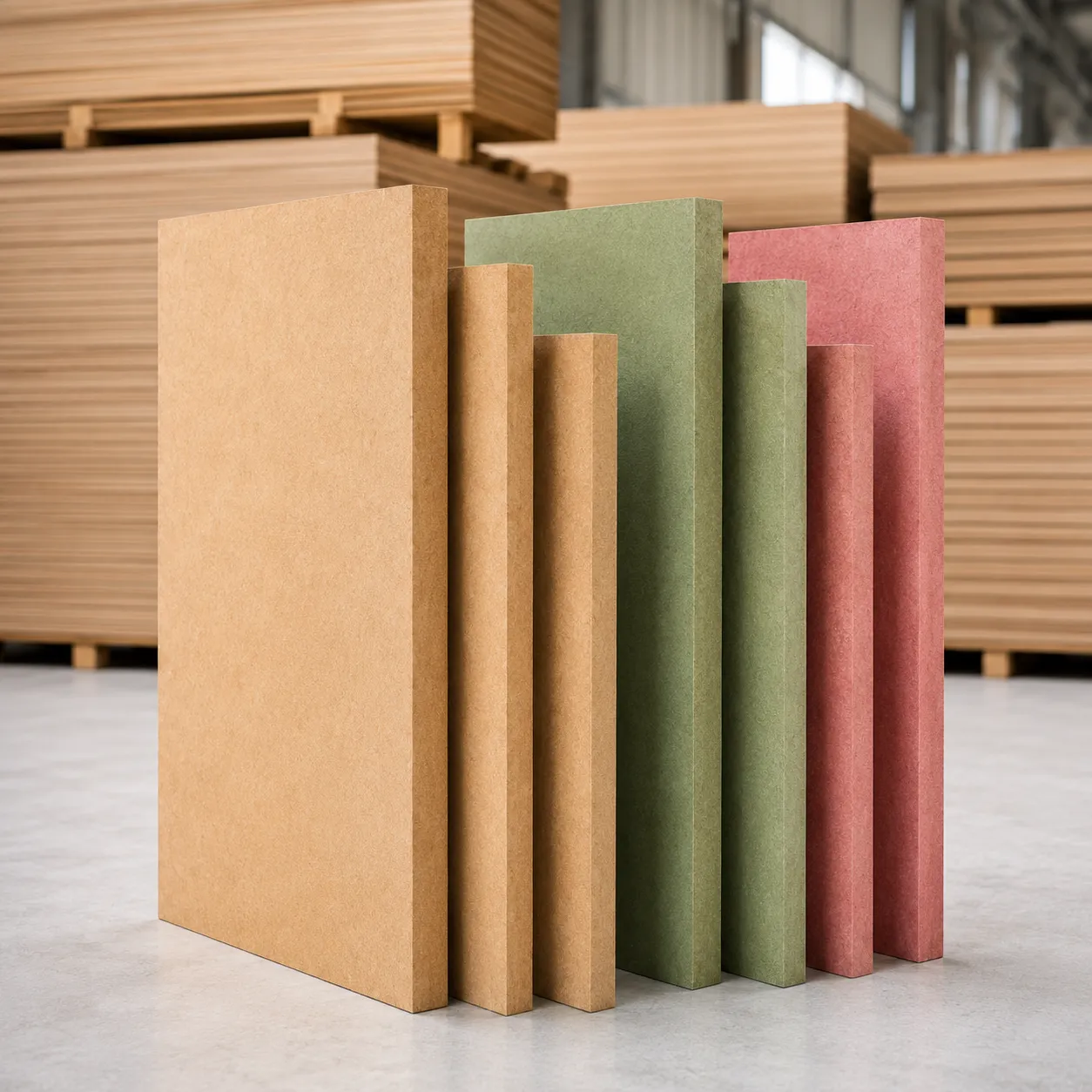
Standard MDF Moisture Resistant MDF Fire Retardant MDF
Standard moisture resistant and fire retardant MDF boards in different thicknesses
Technical Overview

MDF Board Specifications

MDF specifications can be adjusted according to furniture, interior manufacturing and market requirements. Thickness, density, surface condition and performance grade can be selected for different processing and end-use needs.

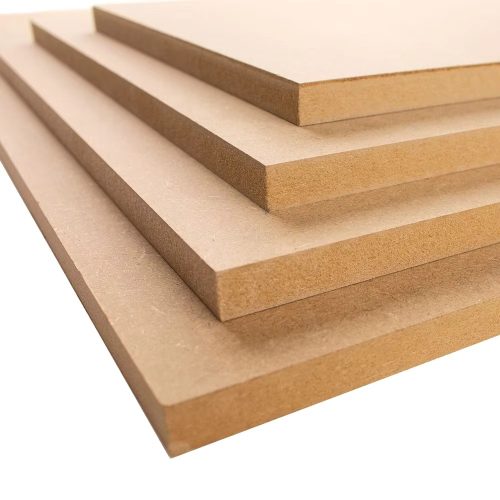
MDF boards showing smooth surfaces different thicknesses and dense fiber structure
Panel Size
1220 × 2440 mm / larger formats / customized sizes
Thickness
Multiple thickness options according to application requirements
Density
Configurable according to thickness, processing and end use
MDF Type
Standard / Moisture Resistant / Fire Retardant
Surface
Raw / sanded / paint-ready / laminated options
Emission Grade
Available according to target market and order requirements
Moisture
Controlled according to MDF grade and production specification
Processing
Cutting / drilling / CNC routing / moulding / surface finishing
Applications
Furniture / cabinetry / interiors / doors / wall panels

* Final specifications are confirmed according to MDF grade, target application and commercial order requirements.

MDF Grades

MDF Options for Different Requirements

Different MDF grades are available according to the service environment, processing method and performance requirements of the finished product.

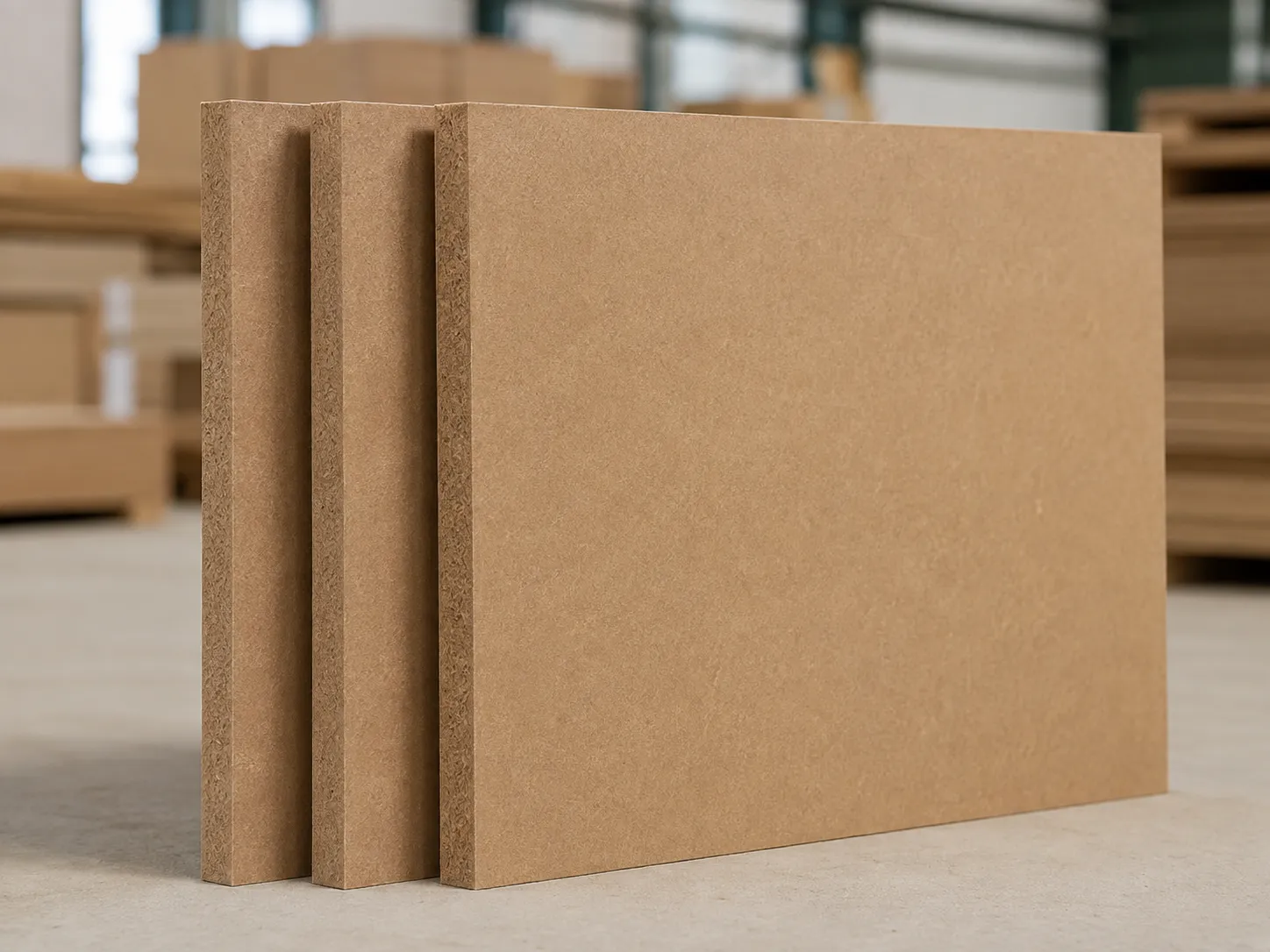
Standard raw MDF board showing smooth surface and dense fiber structure

Standard MDF

General Interior Grade

A versatile MDF option with a smooth, uniform surface for general furniture, cabinetry and interior manufacturing.

Common Applications

Furniture, cabinets, shelving, interior panels and general woodworking.
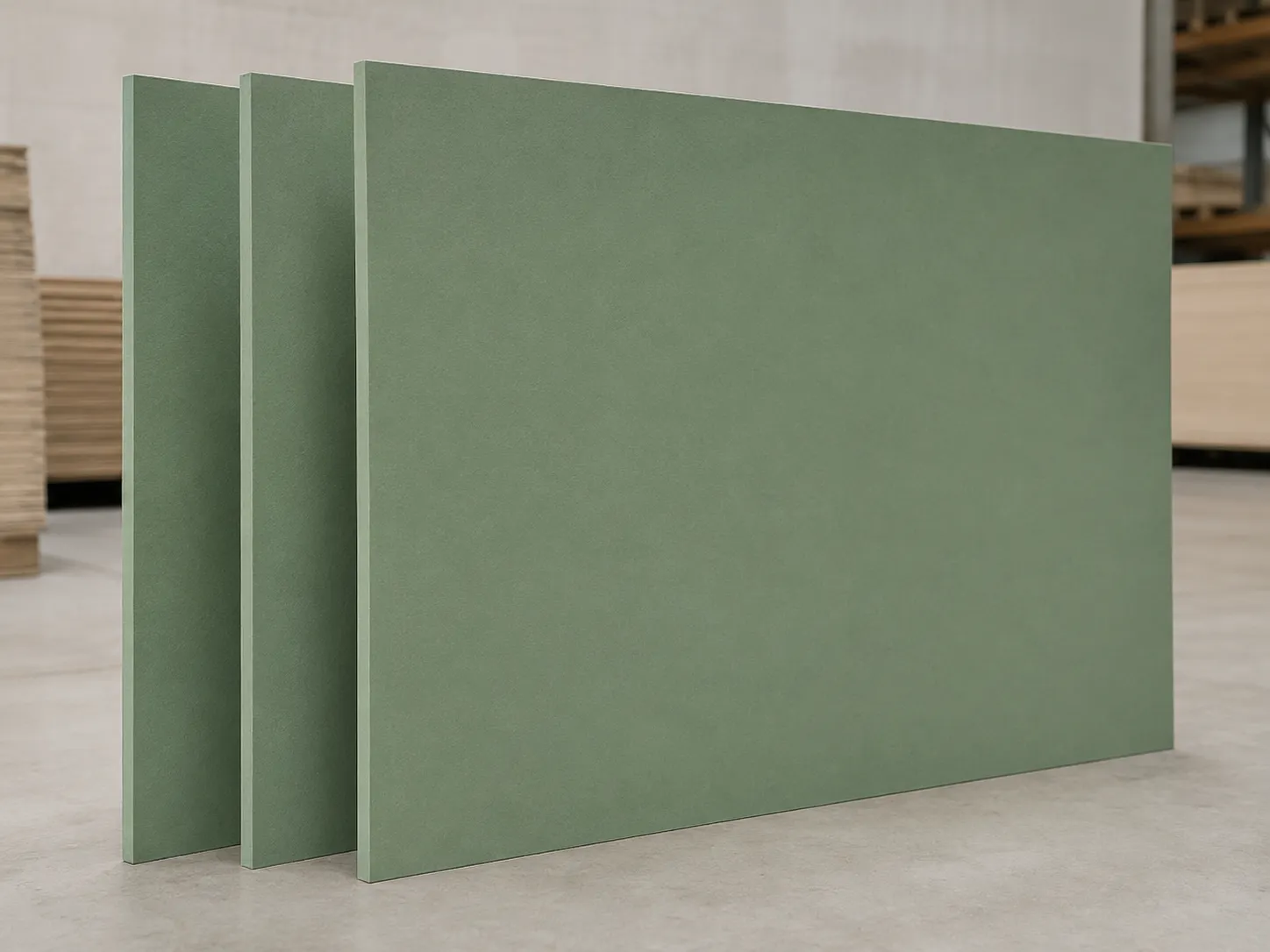
Moisture resistant MDF board for humid interior applications

Moisture Resistant MDF

For Humid Interior Conditions

Designed for interior environments where greater resistance to humidity is required compared with standard MDF.

Common Applications

Kitchen furniture, bathroom cabinetry, utility areas and humid interior spaces.

Fire retardant MDF board for interior projects with fire performance requirements

Fire Retardant MDF

Fire Performance Grade

MDF configured for projects where specified fire-performance requirements are part of the interior material selection.

Common Applications

Commercial interiors, public spaces, wall systems and project-based applications.

MDF Density Options for Different Applications

MDF density affects panel weight, machining performance, edge quality and suitability for different applications. The right density should be selected according to thickness, processing method and the requirements of the finished product.

Choose MDF Density for the Processing Requirement

MDF density should be considered together with panel thickness, machining depth and finished surface. Different density ranges suit different manufacturing and cost requirements.

<650 kg/m³

Lightweight Fibreboard

Lower Weight & Cost-Focused Applications

Lower-density boards reduce panel weight and can suit general woodworking and applications where deep machining or high edge strength is not the primary requirement.

Typical focus: weight, handling and cost

Processing: cutting, basic machining and laminating

700–800 kg/m³

Standard MDF

Main Furniture & Interior Grade

A typical density range for standard MDF, providing a practical balance of machinability, smooth surface quality and panel performance for furniture and interior production.

Typical core density: approx. 600–700 kg/m³

Typical face density: approx. 1000–1100 kg/m³

>800 kg/m³

High-Density / Specialty Board

Deep Routing & Detailed Finishing

Higher-density fibreboards provide a compact structure suited to deep routing, profiling, detailed edge processing and high-quality lacquer or coating work.

Typical focus: routing, profiling and painted surfaces

Specialty options: higher-density grades can be supplied for demanding processing

* Density ranges are general industry references. Actual MDF density varies according to panel thickness, product formulation and manufacturing specification.

Surface Processing

MDF Surface & Finishing Options

The smooth and uniform surface of MDF supports a wide range of decorative and finishing processes. Surface preparation can be matched to the final appearance and manufacturing method.

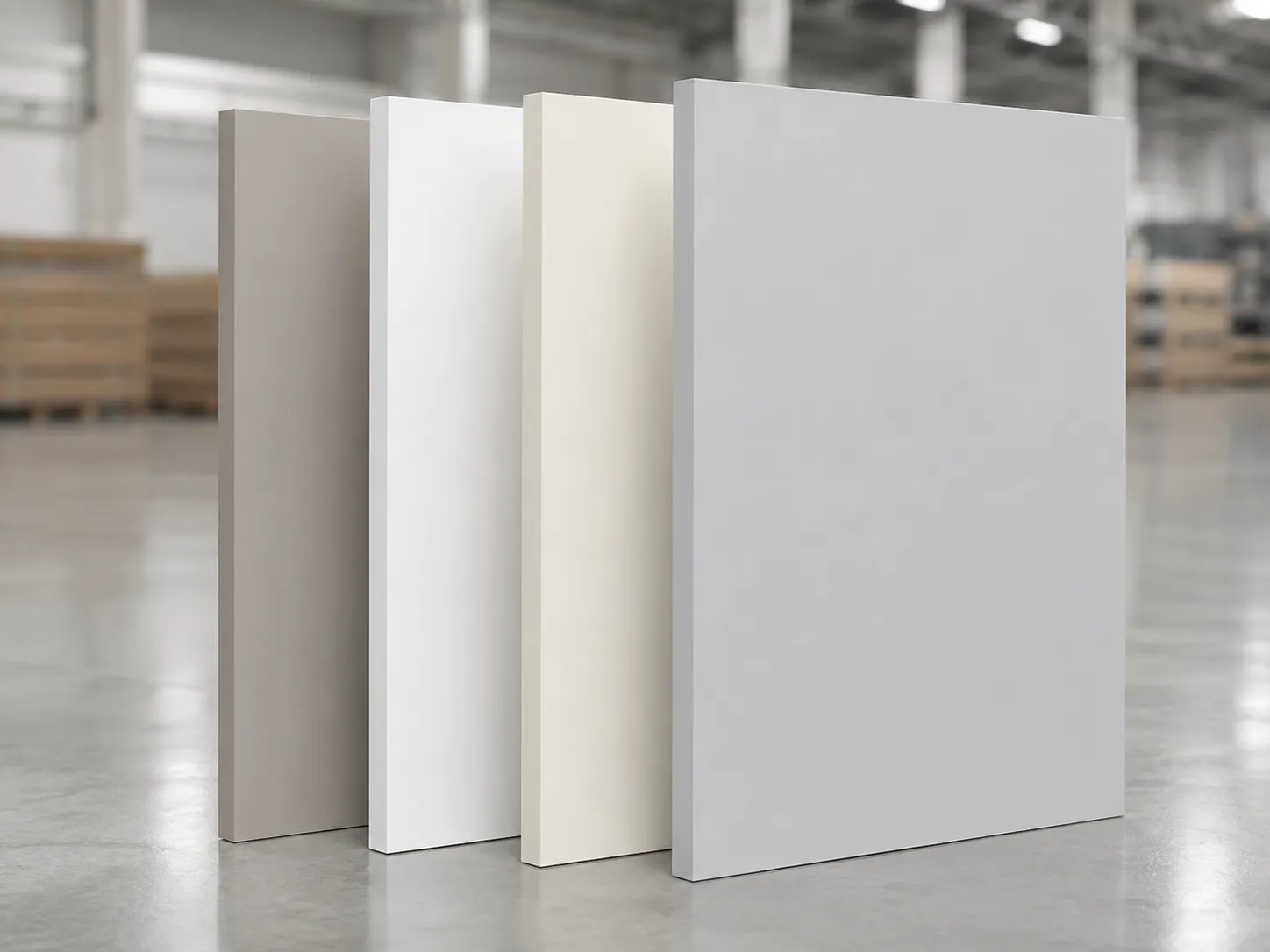
Painted and lacquered MDF panel with smooth finished surface

Painting & Lacquering

Smooth MDF surfaces can be prepared for primer, paint and lacquer finishes used in furniture, cabinet doors and decorative interior components.

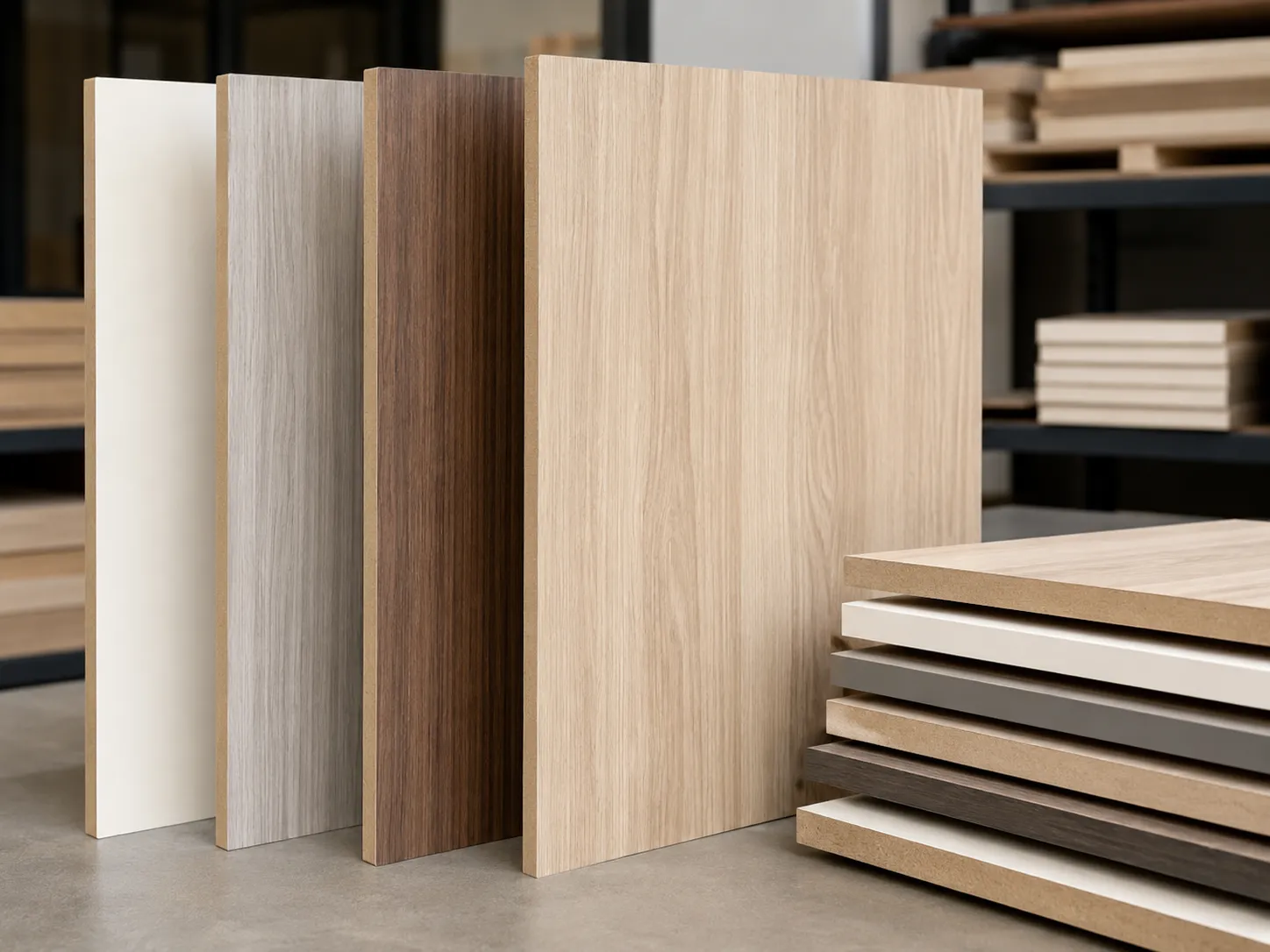
Melamine laminated MDF board with decorative surface

Melamine Lamination

Decorative melamine surfaces provide a finished panel for furniture, cabinetry, shelving and interior panel production in different colors and woodgrain designs.

Explore Melamine Board
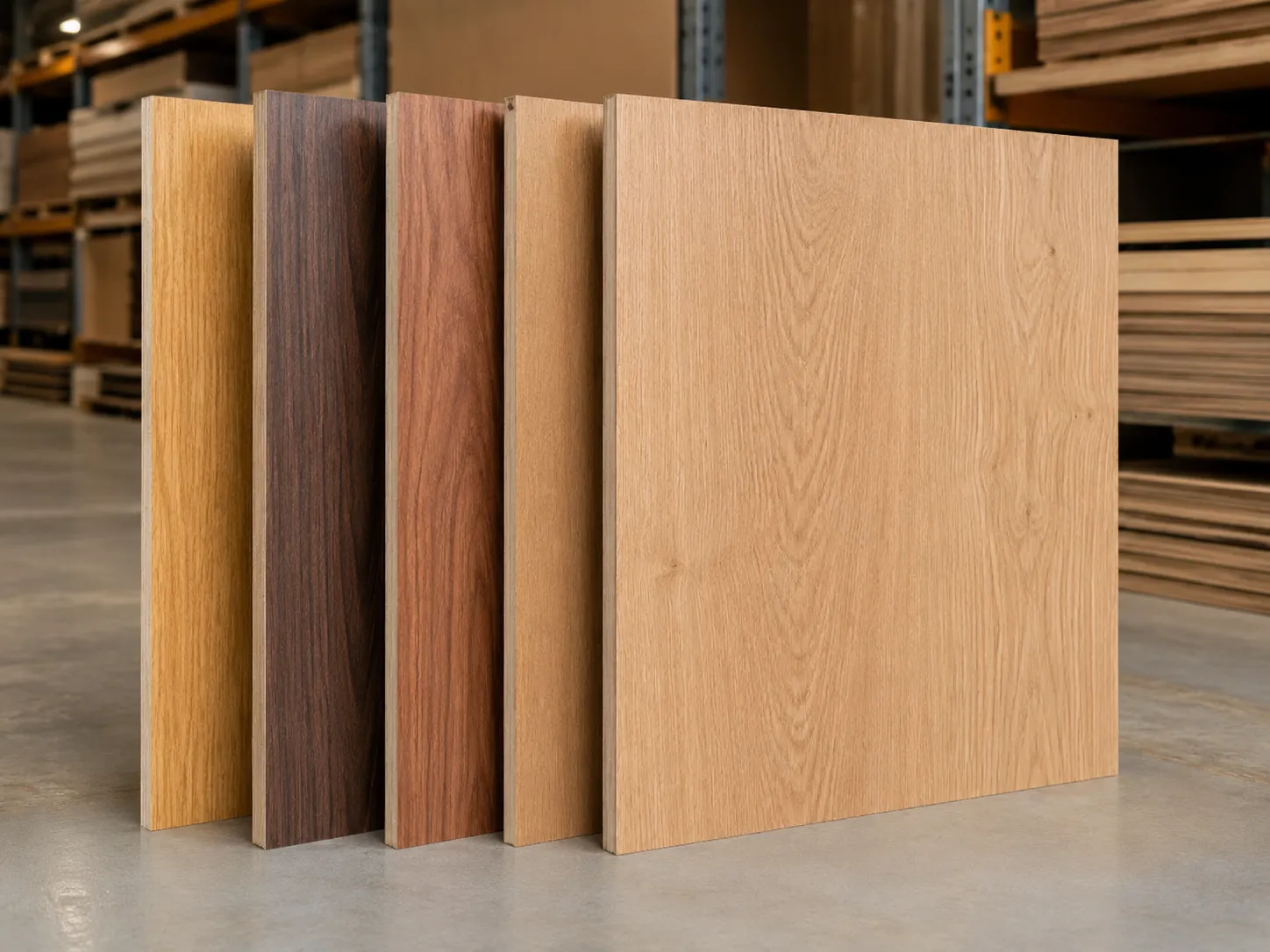
Wood veneer laminated MDF panel for furniture and interiors

Wood Veneer

Natural or engineered wood veneer can be laminated onto MDF to combine a stable panel base with the appearance of real wood grain.

HPL laminated MDF panel for decorative and commercial interior applications

HPL & Decorative Lamination

MDF can be used as a substrate for HPL and other decorative laminates where a flat, consistent base is required for finished interior surfaces.

Application Guide

Choose MDF by Application

MDF selection should follow the way the finished product will be processed and used. Density, surface quality, moisture resistance and machining requirements can be matched to different furniture and interior applications.

MDF board used for furniture and cabinetry manufacturing

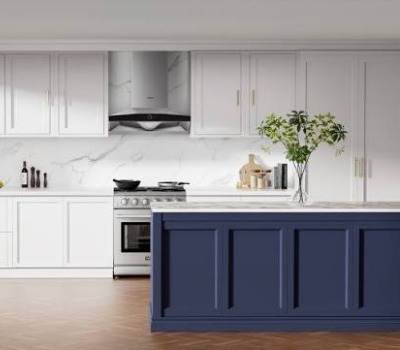
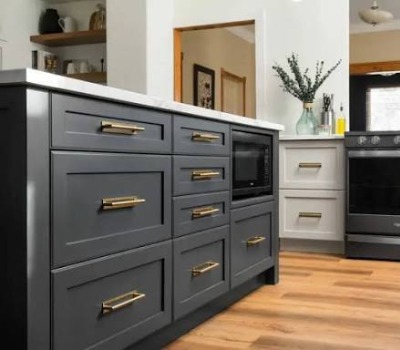
Furniture & Cabinetry

Standard MDF · Balanced Density

Suitable for cabinet bodies, shelving, furniture parts and interior components where consistent cutting, drilling, laminating and surface quality are important.

CNC routed MDF cabinet door with detailed profiled surface

Cabinet Doors & Routed Panels

Uniform / Higher-Density MDF

A denser and more uniform fibre structure is preferred for CNC routing, profiling, decorative grooves and painted cabinet doors requiring cleaner machined edges.

Decorative MDF wall panels used in commercial and residential interiors

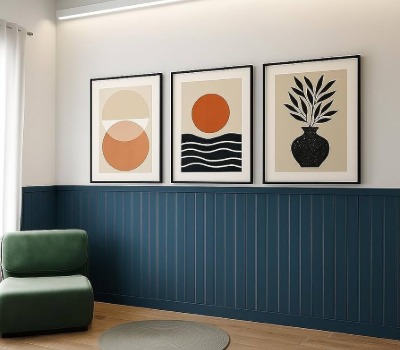
Wall & Decorative Panels

Standard / FR MDF Options

MDF provides a flat substrate for painted, veneered, melamine or decorative wall panels. Fire-retardant grades can also be selected for applicable project requirements.

Moisture resistant MDF used for kitchen and bathroom furniture

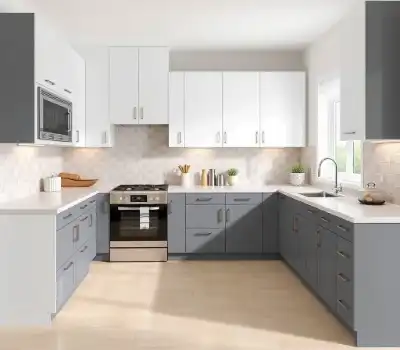
Kitchens & Humid Interiors

Moisture Resistant MDF

MR MDF is better suited to kitchen furniture, -application__text"> MR MDF is better suited to kitchen furniture, bathroom cabinetry and other interior applications exposed to higher humidity than standard dry-use MDF.

Manufacturing & Quality

MDF Manufacturing & Quality Control

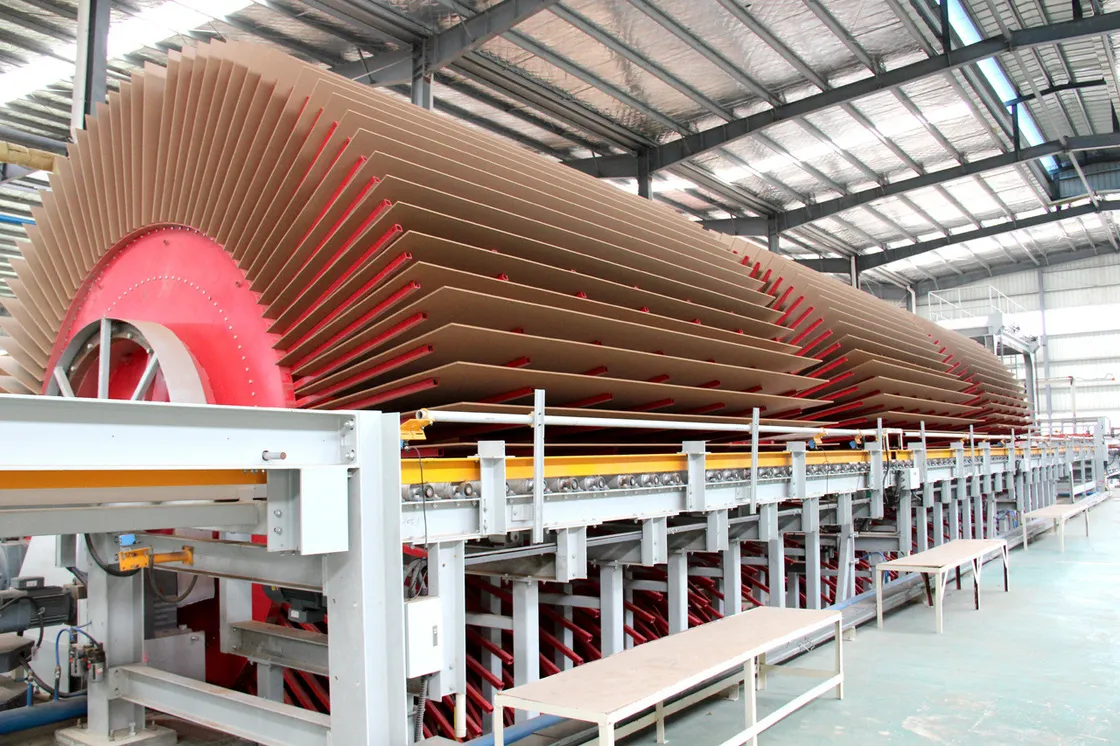
Galaxi works with established MDF manufacturing resources within Linyi and China’s wood-based panel supply network. Production specifications are coordinated according to board grade, density, thickness, emission requirements and final application.

01

Fiber Preparation

Wood raw material is processed and refined into controlled fibres, forming the foundation for consistent MDF structure and surface quality.

02

Resin Blending & Mat Forming

Refined fibres are blended with the selected resin system and formed into a uniform fibre mat according to the required board specification.

03

Hot Pressing

Controlled heat and pressure consolidate the fibre mat, forming the panel and developing the density profile required for its intended use.

04

Sanding & Calibration

Panels are sanded and calibrated to achieve controlled thickness and a smooth surface suitable for machining, painting and decorative lamination.

05

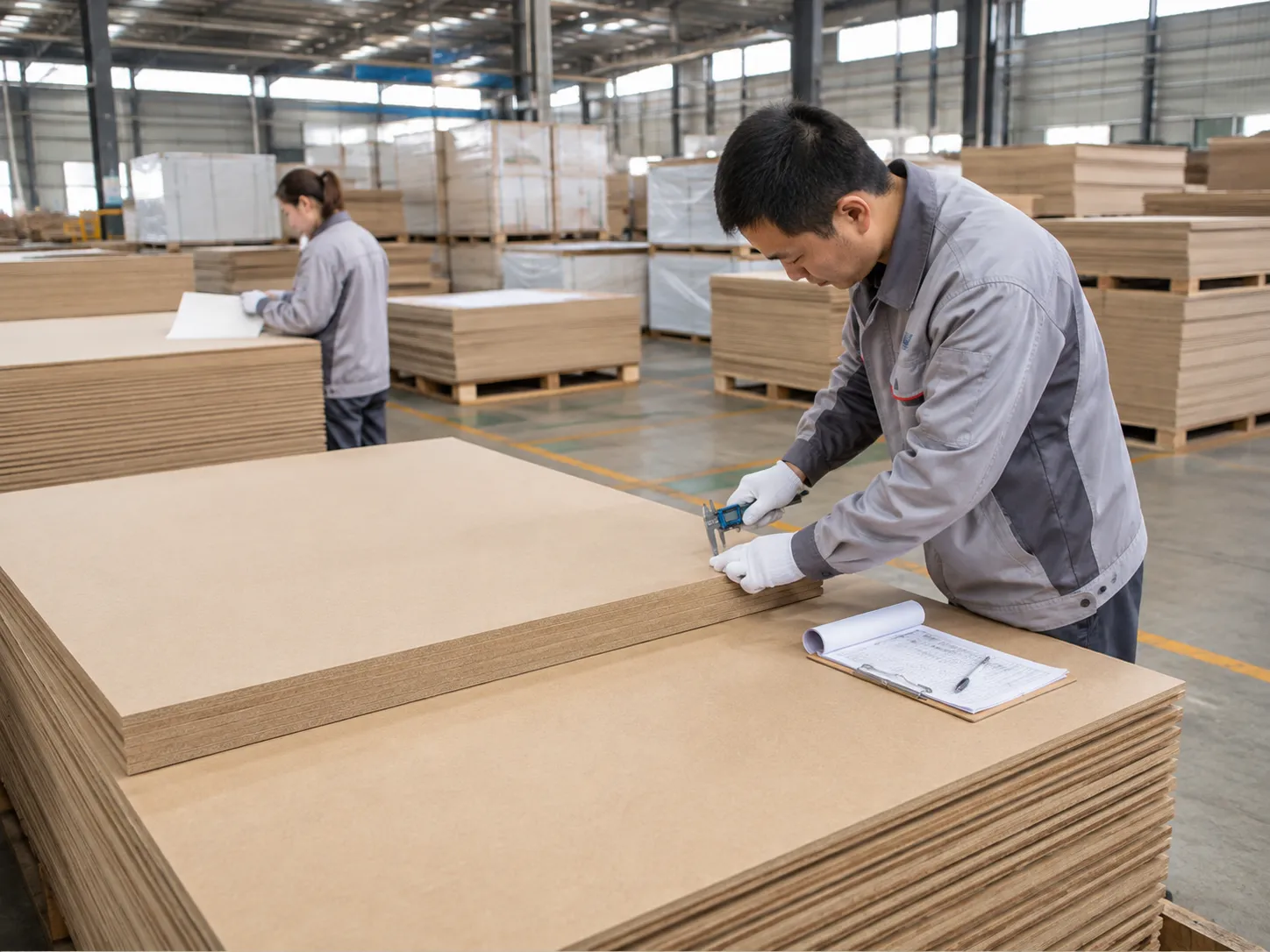
Final Quality Inspection

Panel dimensions, thickness, surface condition and order-specific requirements are checked before finished boards move to packing and shipment.

Buyer Questions

MDF Board Frequently Asked Questions

MDF specifications often look similar on a quotation, but density, board structure, moisture resistance, emission requirements and processing quality can make a significant difference in the finished product. These are some of the questions buyers commonly need to clarify before placing an order.

What MDF density should I choose for furniture and cabinetry?

There is no single density that is best for every furniture application. For regular cabinet bodies, shelving and laminated furniture components, a standard furniture-grade MDF with balanced density and a uniform fibre structure is usually the practical choice.

Products involving deep CNC routing, profiled cabinet doors, detailed edges or high-quality painted finishes normally benefit from a denser and more homogeneous board. The correct density should therefore be selected together with thickness, machining depth and final surface treatment.

Why can two MDF quotations with the same thickness have different prices?

Thickness alone does not define MDF quality or cost. Two 18 mm boards, for example, may differ in density, fibre refinement, resin formulation, emission grade, moisture resistance, sanding quality and thickness control.

A lower quotation may be suitable for a simple application, while a different specification may be required for CNC processing, painted furniture, demanding lamination or a particular export market. Comparing MDF quotations therefore works best when density, grade, emission requirement and final application are specified together.

Is moisture resistant MDF waterproof?

No. Moisture resistant MDF is designed to perform better than standard MDF in humid interior conditions, but it should not be treated as a waterproof or permanent exterior panel.

MR MDF is commonly selected for kitchen furniture, bathroom cabinetry, utility areas and interior joinery where humidity may be higher. For long-term direct water exposure or outdoor use, another panel system should be considered instead of relying on MR MDF alone.

Which MDF is better for CNC routing and cabinet doors?

CNC-routed components place more demand on the internal fibre structure than simple panel cutting. A board with consistent density through the panel helps produce cleaner grooves, profiles and machined edges.

For routed cabinet doors, moulded panels and decorative components, buyers should pay attention to density consistency, machining depth, edge quality and the intended finishing process. Higher-density or specialty MDF can be selected where deeper routing and more detailed profiling are required.

Can raw MDF be painted, veneered or laminated directly?

Raw MDF provides a smooth and uniform substrate for many finishing processes, including painting, lacquering, wood veneer, melamine and HPL lamination. However, the preparation process depends on the required finish.

Painted components normally require suitable sanding, edge preparation, sealing and primer before the final coating. Laminated products depend more heavily on surface flatness, cleanliness and bonding preparation. The MDF specification should therefore be matched to the finishing process rather than selected only by thickness.

What is the difference between standard MDF, MR MDF and FR MDF?

Standard MDF is intended mainly for furniture and normal dry interior applications. Moisture resistant MDF is formulated for interior environments with higher humidity, while fire retardant MDF is designed for projects requiring improved reaction-to-fire performance.

These are functional grades rather than simply different board colors. Selection should follow the actual service environment and project requirement, especially for commercial interiors, kitchens, bathrooms and public spaces.

Which emission grade should I specify when importing MDF?

The appropriate emission requirement depends primarily on the destination market and the finished product. Different markets may use different formaldehyde emission standards or regulatory systems for wood-based panels.

For an export quotation, it is helpful to provide the destination country, application and required emission standard at the beginning. Galaxi can then match the MDF specification to the relevant order requirement instead of treating emission grade as an afterthought.

What information should I provide when requesting an MDF quotation?

A useful MDF inquiry should include more than panel size and thickness. Providing the application helps determine whether the board needs standard density, higher-density machining performance, moisture resistance, fire performance or a particular emission grade.

For a more accurate specification, buyers can provide size, thickness, MDF grade, density requirement, surface or finishing method, destination market, application and expected order quantity. If some details are not yet fixed, the final use of the board is usually the best place to start.