

Concrete Formwork Plywood
Film Faced Plywood Manufacturer & Supplier in China
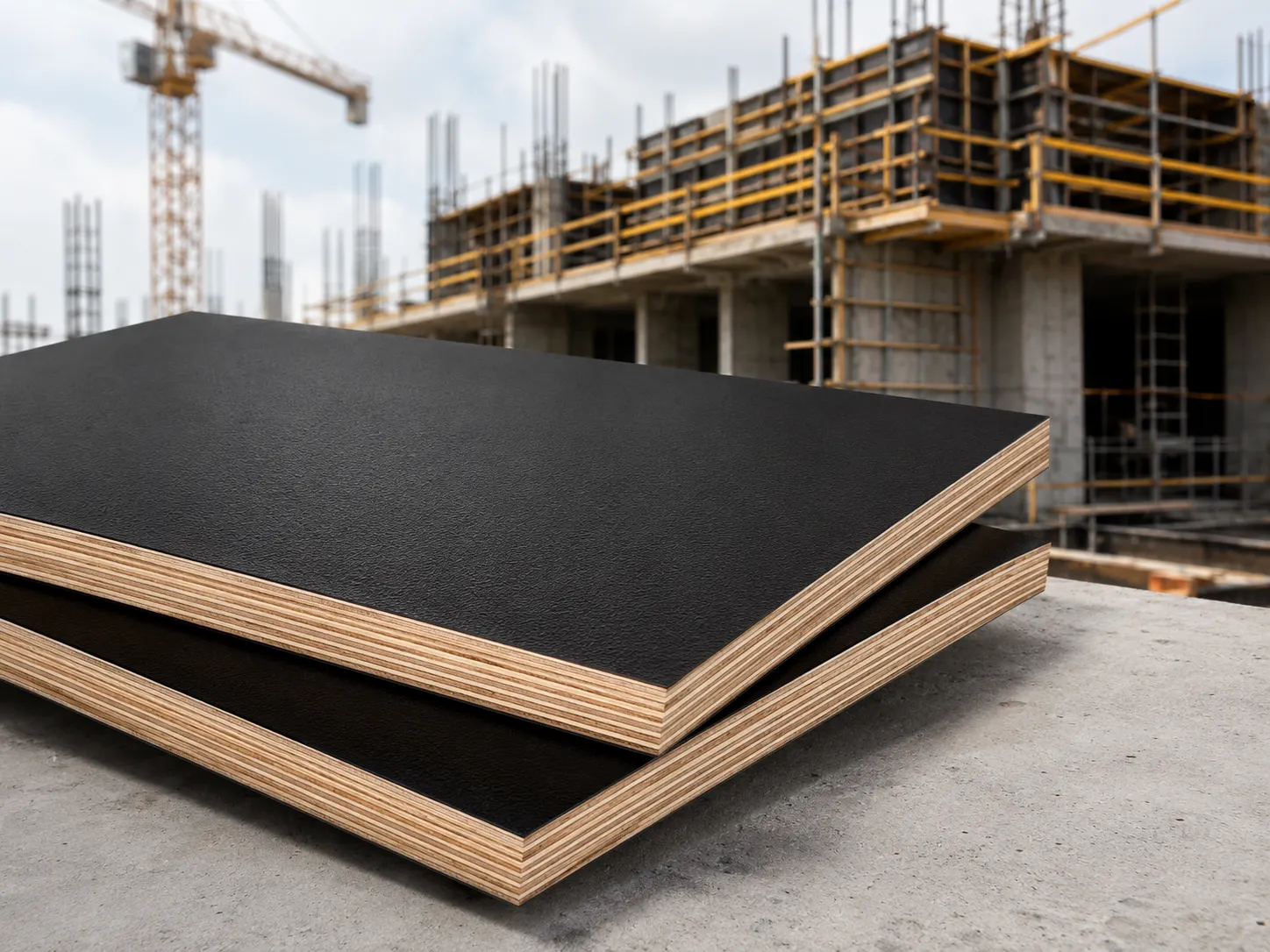
Galaxi supplies film faced plywood for concrete formwork, shuttering and construction applications. Panel size, thickness, core construction, film surface and bonding options can be configured according to project and commercial order requirements.
Concrete Formwork
For slabs, walls, columns and construction projects.
Multiple Core Options
Different core constructions for varying requirements.
Custom Specifications
Size, thickness, film and panel construction options.
Commercial Export Supply
Flexible production and packing for international orders.
Technical Overview
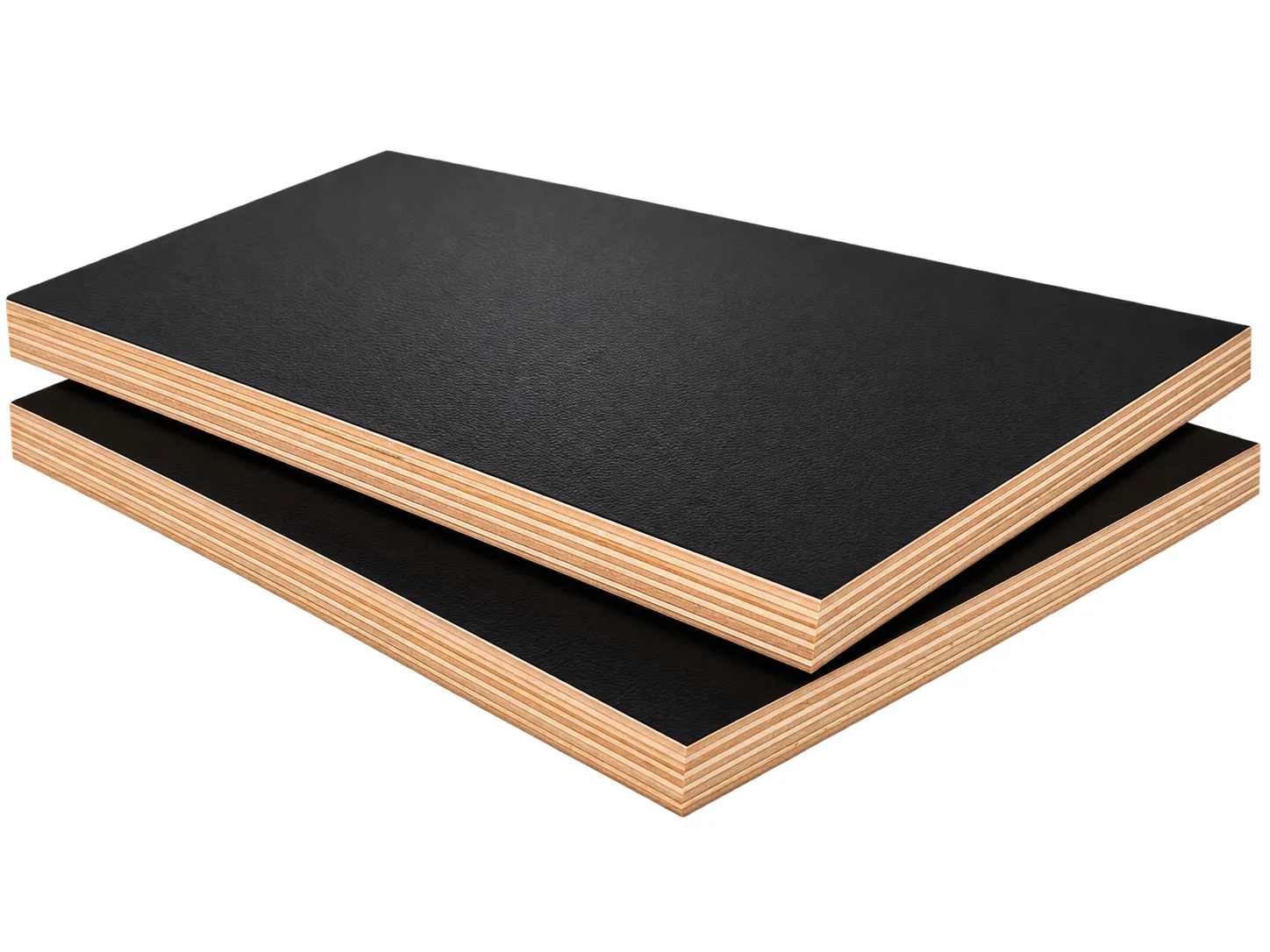
Film Faced Plywood Specifications
Standard specifications can be adjusted according to project requirements, panel construction and target market.
- Size
- 1220 × 2440 mm / 1250 × 2500 mm / 915 × 1830 mm / Customized
- Thickness
- 12 mm / 15 mm / 18 mm / 21 mm
- Core
- Poplar / Eucalyptus / Hardwood / Combi / Birch
- Film
- 120–220 g/m² Phenolic Film / Black / Brown / Anti-slip
- Bonding
- Phenolic / Melamine WBP Options
- Thickness Tolerance
- Approx. ±0.5 mm, according to specification
- Moisture
- Approx. 8%–14%
- Edge Treatment
- Waterproof edge paint / Acrylic edge sealing
- Packing
- Export pallets with protective wrapping
* Specifications can be adjusted according to core, film, bonding system and commercial order requirements.
Core Options
Choose the Right Core for Film Faced Plywood
Core construction affects panel strength, weight, stability and reuse performance. Different options allow buyers to balance project requirements with overall cost per use.

Finger Joint Core
Economy Option
A cost-focused core construction for projects where limited reuse and lower initial panel cost are the main priorities.
2–4×
Typical Reuse
Recommended For
Short-term and budget-sensitive formwork projects.

Poplar Core
Lightweight & Practical
A lightweight construction that offers practical handling and reliable performance for common formwork requirements.
6–10×
Typical Reuse
Recommended For
Residential and general concrete formwork.

Combi Core
Stronger & Cost-Effective
A mixed poplar and eucalyptus core designed to improve rigidity while keeping overall panel cost competitive.
10–15×
Typical Reuse
Recommended For
Commercial projects requiring a stronger cost-to-performance balance.

Birch Core
Dense & Higher Reuse
Dense multi-layer construction for applications requiring greater rigidity, dimensional stability and higher reuse potential.
12–20+×
Typical Reuse
Recommended For
Higher-reuse formwork and demanding construction projects.
Film Options
Film & Surface Options
Different film surfaces are available for varying formwork, durability and end-use requirements. Film type can be selected according to project needs and target product specification.

Black Film
Standard Formwork Option
A widely used smooth film surface for general concrete formwork and commercial construction projects.

Brown Film
Common Export Option
A smooth brown film surface commonly selected for formwork plywood in different export markets.

Green PP Film
PP Surface Option
A green PP film surface designed for formwork applications where a durable, smooth and easily identifiable surface finish is preferred.
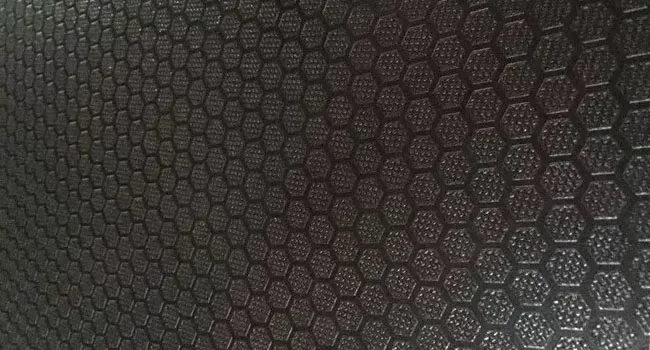
Anti-Slip Film
Textured Surface
A patterned surface designed for applications where additional grip and surface traction are required.
Formwork Applications
Built for Concrete Formwork
Film faced plywood is used across different concrete forming applications where panel strength, surface quality and repeatable performance are important.
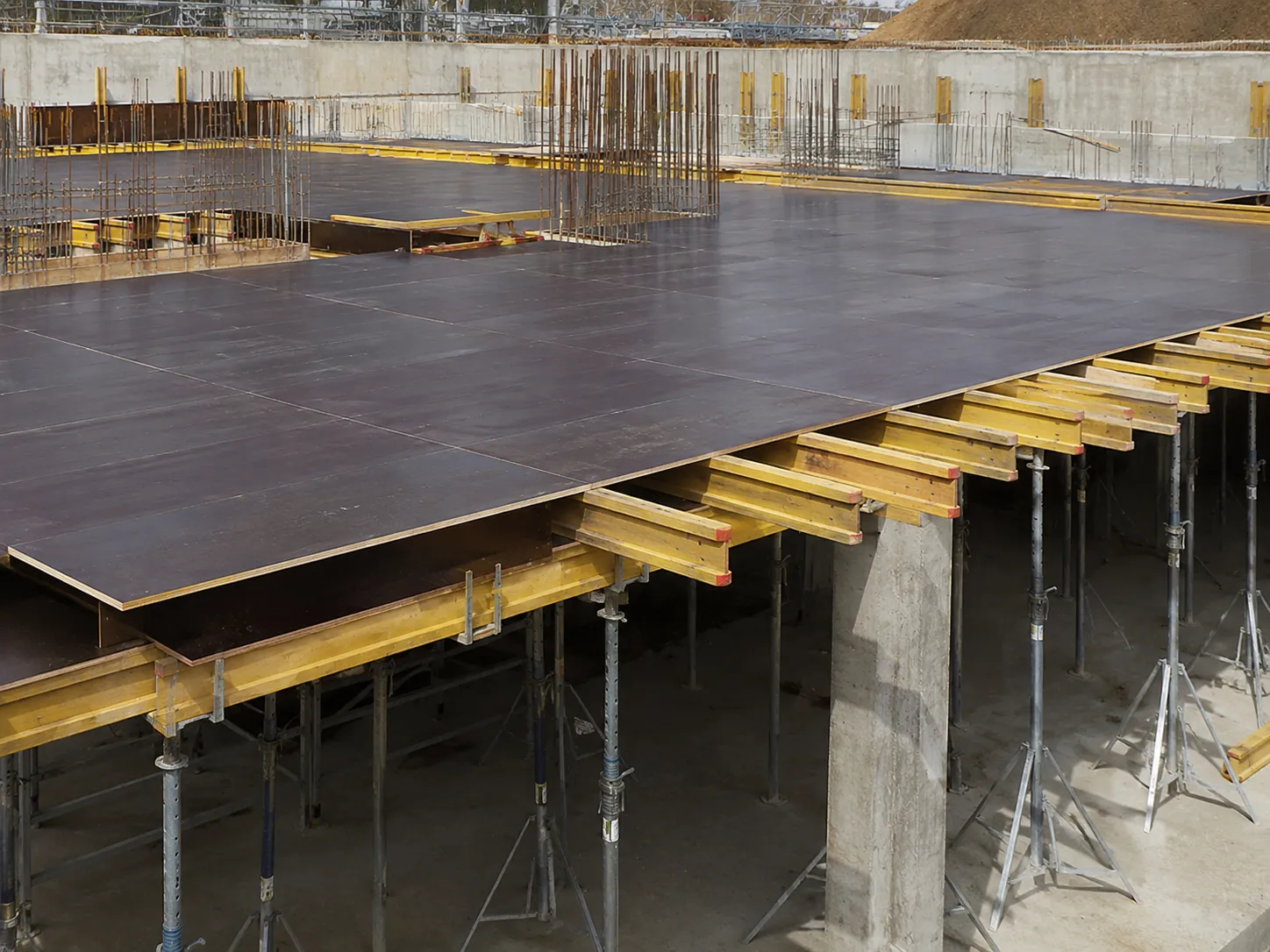
Slab Formwork
Flat panel systems for forming floors and concrete slabs in residential and commercial construction.
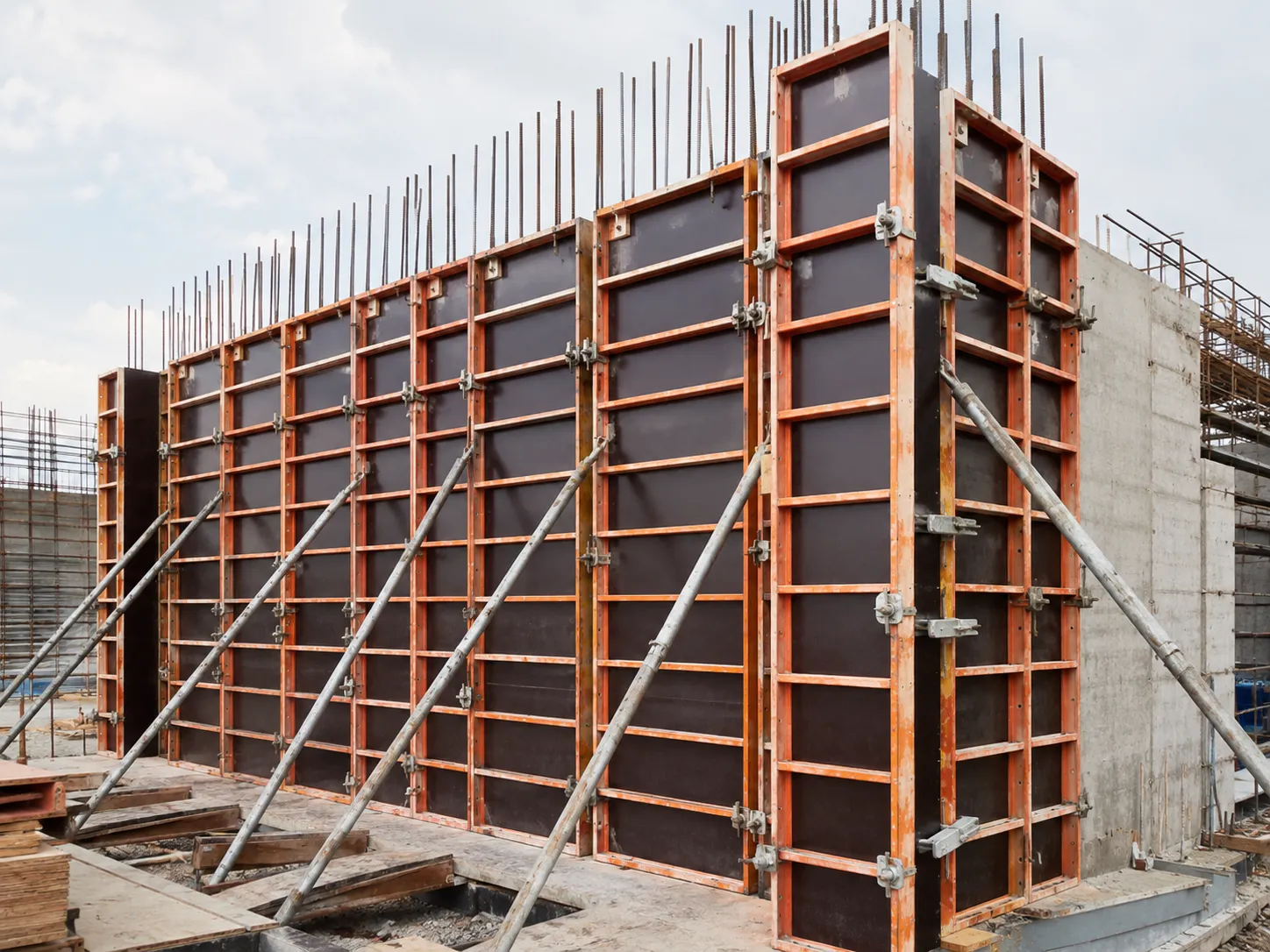
Wall Formwork
Used in vertical formwork systems where panel stability and a consistent concrete surface are required.
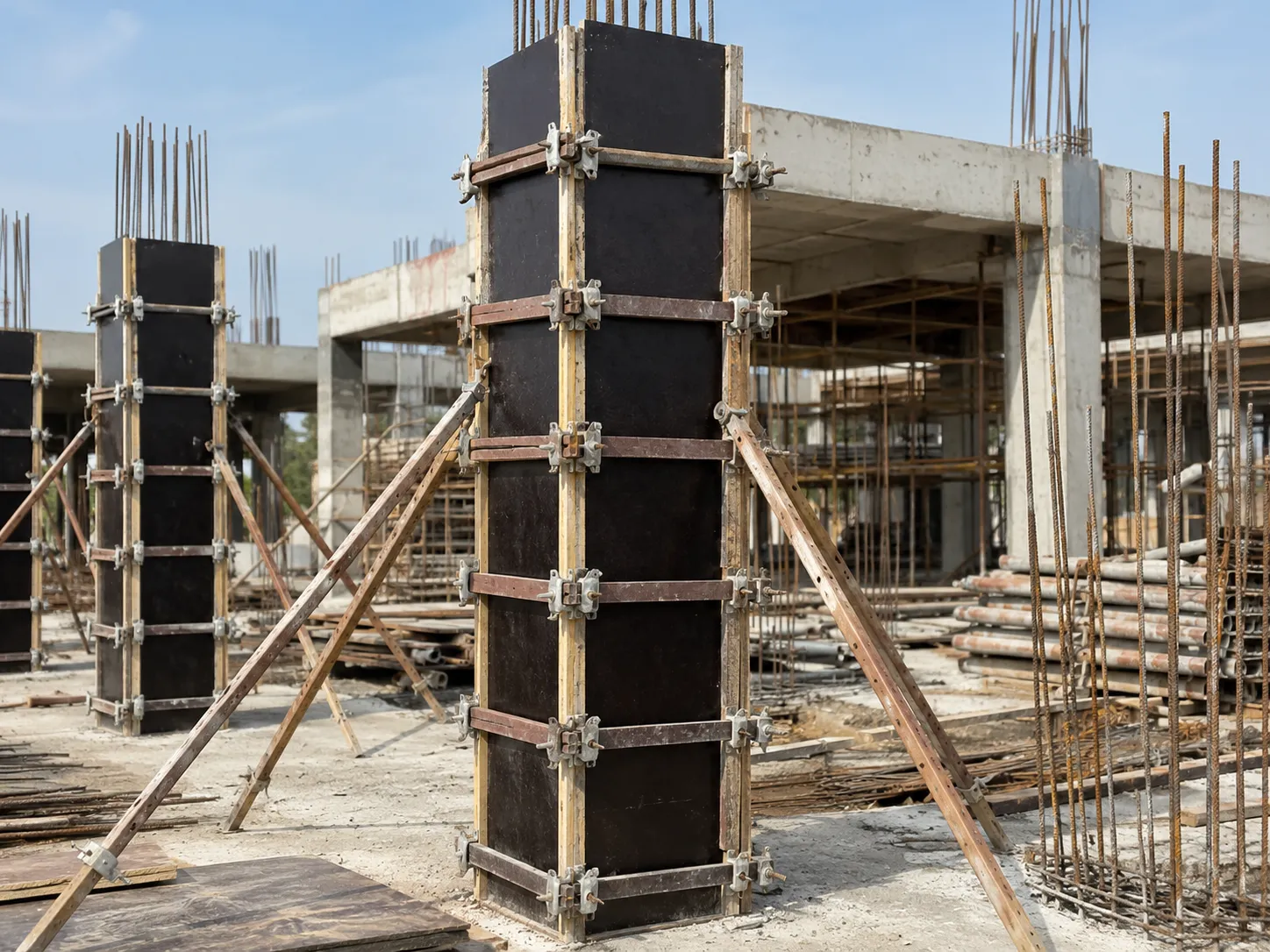
Column Formwork
Suitable for forming columns and structural components requiring dimensional control and clean release.
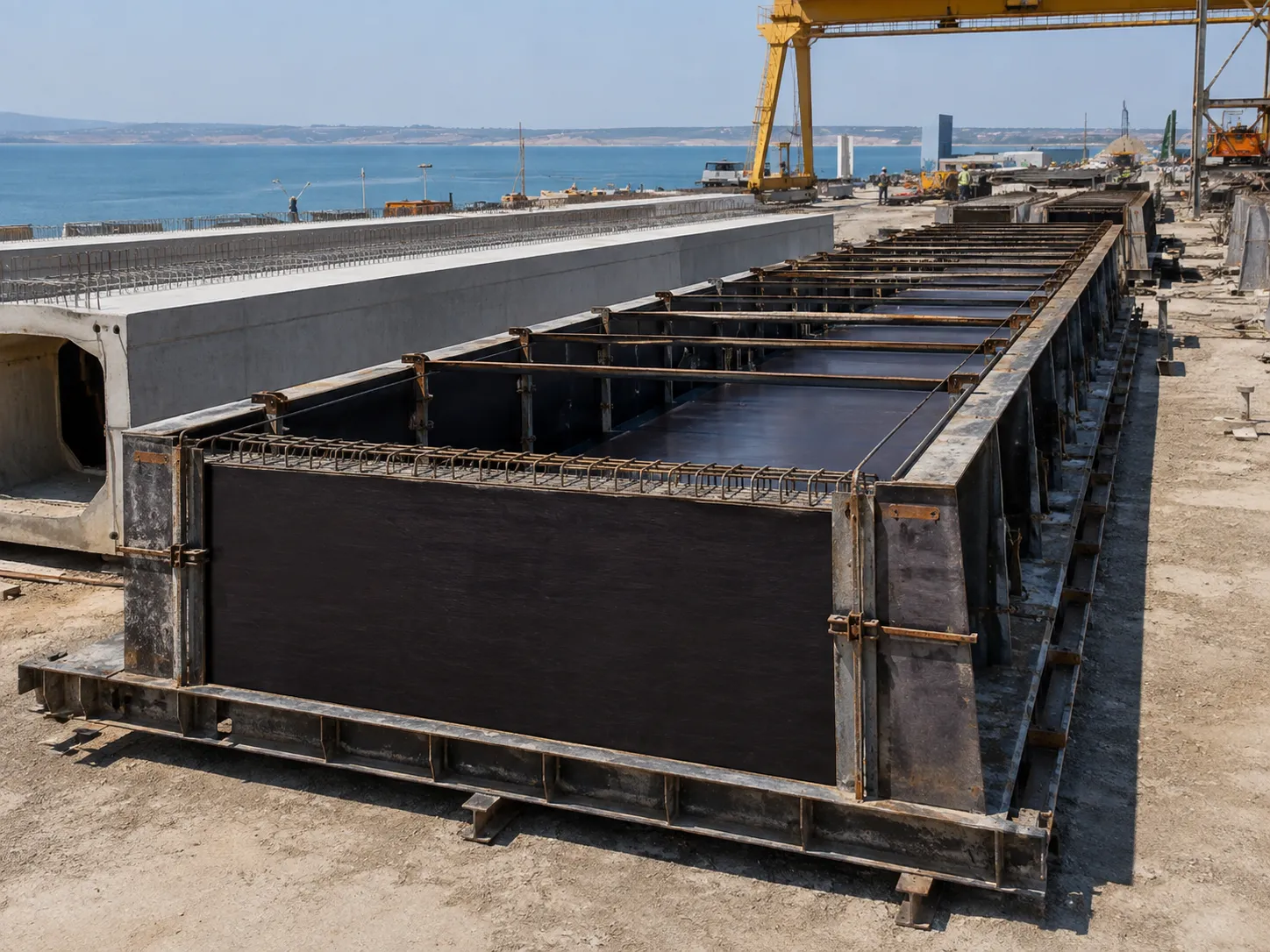
Infrastructure & Precast
For larger concrete structures and precast applications requiring suitable strength and repeated forming performance.
Manufacturing & Quality Control
How We Control Film Faced Plywood Quality
Key production stages are controlled to maintain bonding, panel stability, surface quality and moisture resistance for film faced plywood used in concrete formwork.
01
Core & Veneer Control
Core structure, veneer gaps and assembly are checked before pressing.
02
Hot Pressing Control
Heat, pressure and pressing time are controlled for stable panel bonding.
03
Film Lamination
Film adhesion and surface condition are checked after lamination.
04
Thickness Inspection
Thickness, dimensions, flatness and surface condition are inspected.
05
Edge Sealing
Panel edges are sealed and finished before final packing.
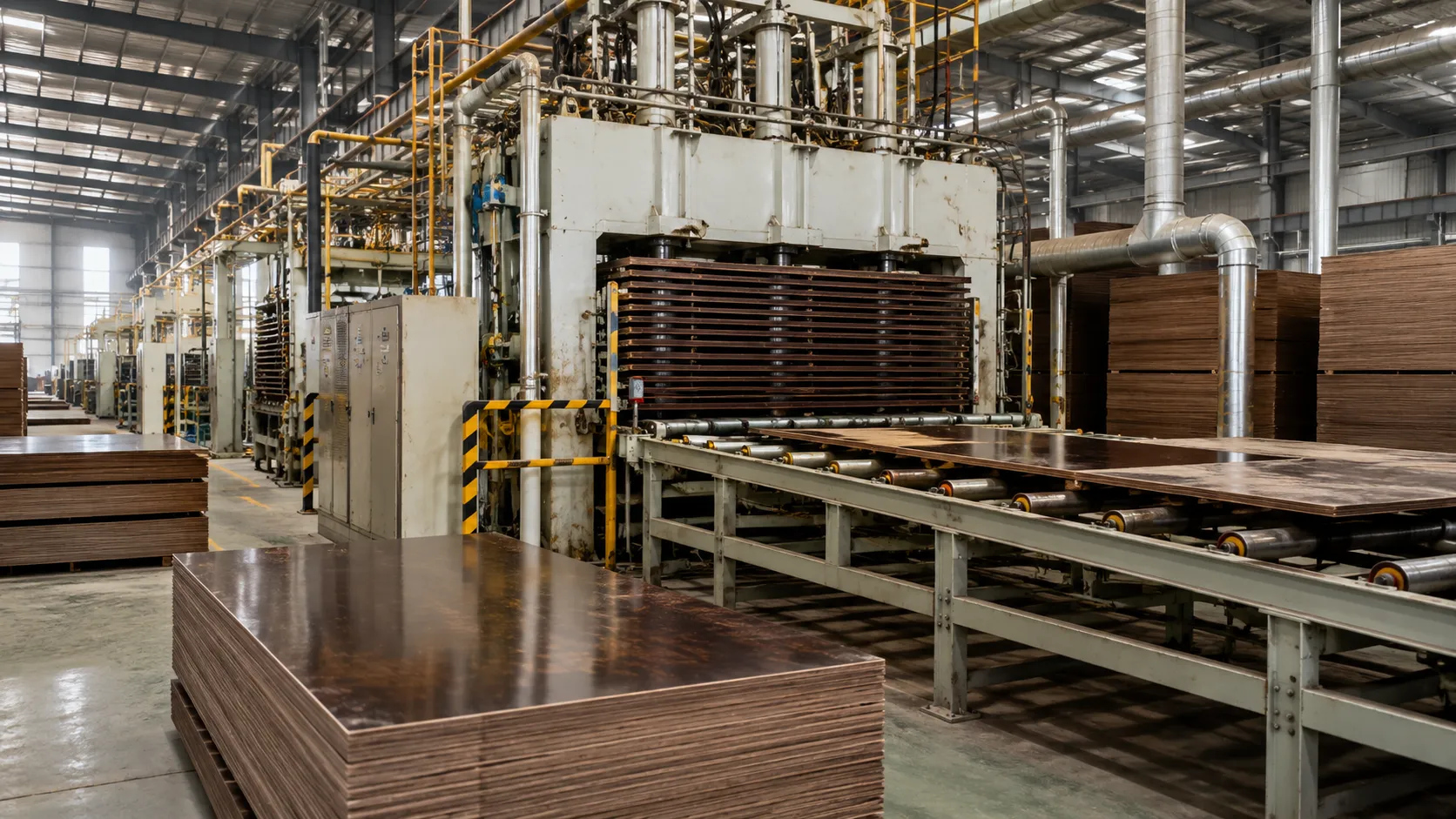
Manufacturing Process
See more of our wood panel production equipment and manufacturing facilities.
View Manufacturing Facilities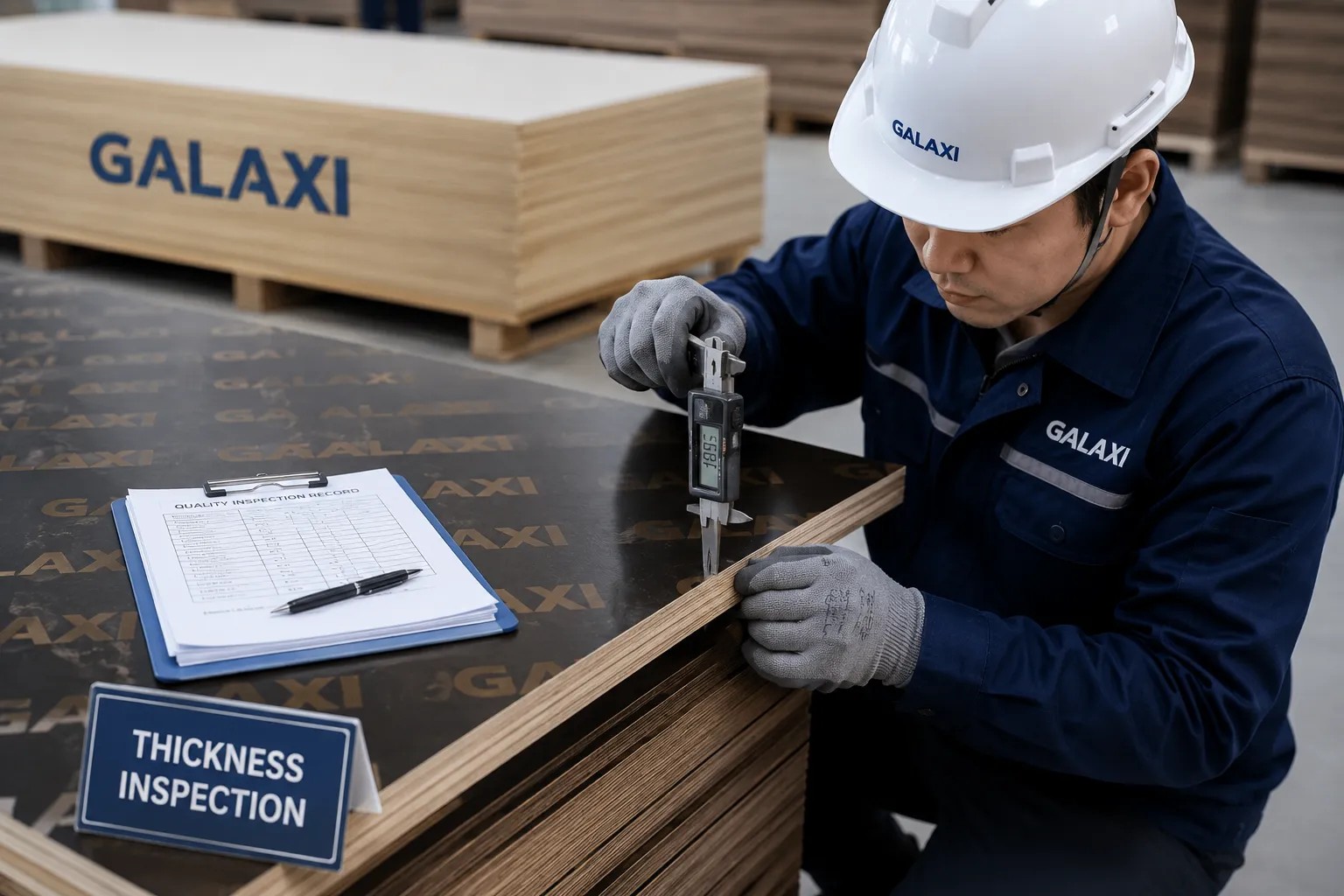
Quality Inspection
Finished panels are checked before packing and preparation for shipment.
View Our Quality Control Process